


TEST | What did Ladies in Waiting do?
Thursday 23 April 2026
1:00 pm - 2:00 pm
Main Hall, Memorial Hall
In an era before diaries, memoirs, newspapers, and even, with few exceptions, letters, this question was challenging to answer. Financial accounts, wills, and royal grants made it easier to understand what rewards ladies-in-waiting received for their good service, but what kinds of service were they doing?
Fortunately, a close reading of surviving account records, used together with clues from late medieval literature and art, can reveal the lived experiences of female servants. Although accountants were more concerned with documenting the transfer of money and expensive objects than with the activities of ladies-in-waiting, we nevertheless catch glimpses of their daily tasks by learning what items were purchased by elite establishments, and who was responsible for transferring them around the household.
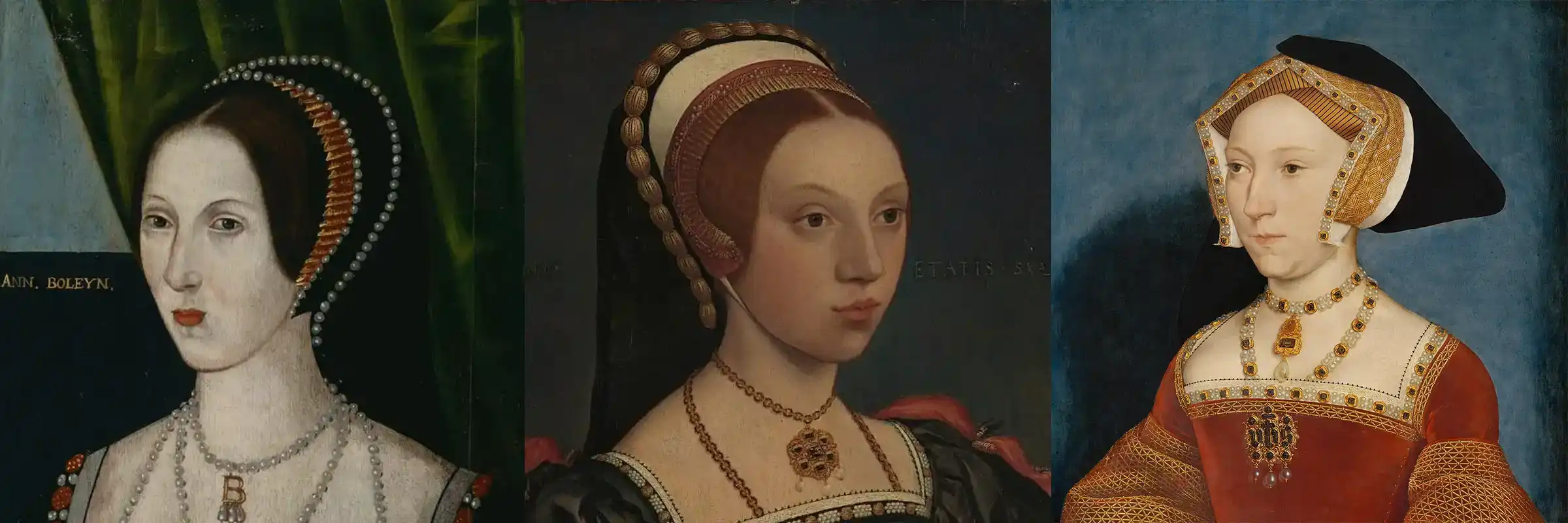
For example, the stereotype that ladies-in-waiting spent much of their waking hours sewing or in needlecraft is somewhat supported by references in the accounts that show them creating or repairing clothes. I uncovered the velvet cloth delivered to Matilda de Wilmynton, damsel of Edward III’s sister Eleanor, and the twenty-two yards of cloth Edith Fowler received for making into gowns for her lady Margaret Beaufort, mother of Henry VII. Beaufort also paid Mistress Massey for mending her clothes, while Margery Mareschal, servant of Elizabeth de Burgh, paid five pence for thread used in the ladies’ chamber. From surviving artwork like manuscript illuminations and memorial brasses, we learn how fashion and hairstyles became more intricate over the fourteenth century, so that female servants would have spent more time dressing and fashioning their queens and noblewomen, and literary examples reveal some of these private moments between elite women and their courtiers. Clothing and fashion may seem unimportant, but keep in mind that they signaled wealth, power, and authority in an era of sumptuary laws. Ensuring that monarchs, noblewomen, and their entourages were properly attired was a key duty of medieval ladies-in-waiting.
BUY TICKET
Your Tickets will be reserved in your Cart for 15 minutes
TICKET INFORMATION
If you have purchased a Concession Ticket, please make sure you have your concession card with you when you arrive at the venue.
Available from 1st May.
4+ tickets purchased at the same time = 15% off total order.
Applies to Standard and Concession Tickets only.
Discount is applied at Checkout.
Available from the 10 April until midnight 30 April.
Excludes Poetry Slam Tickets.
No Concession Tickets are available.
Bulk Discounts do not apply.
No concessions or bulk buy discounts
Please ensure that you have read and fully understand our Refund Policy, Terms and Conditions